


 Español
 Deutsch
 عربى

1. Introduction In modern society, with the increasing trend of population aging and the accelerating pace of life, the importance of means of transpo...
READ MOREHow to Choose a Mobility Scooter: A Practical Buying Guide for Daily Life
A mobility scooter can restore independence, make errands easier, and reduce the strain of long walks. But the right choice is not the model with the longest feature list or the lowest price. It is the scooter that fits your body, your routes, your storage space, and the way you will actually use it week after week.
This guide walks through the decisions that matter most, from wheel count and weight capacity to battery range, transport, and safety checks. Use it to compare models with a clearer set of questions instead of guessing from photos and headline claims.
Daily route Seat fit Battery range Transport Safety
Start with the daily route, not the showroom
Before comparing specifications, write down where the scooter will go. A model that feels comfortable in a large store may be difficult to turn inside a small apartment, and a compact scooter that fits a car boot may not handle a gravel path or a steep driveway.
- Indoor use: doorway width, hallway turns, carpet, thresholds, and space beside the dining table or bed.
- Neighborhood use: pavement quality, curbs, crossing times, hills, and whether you need to travel after dark.
- Errands and shopping: basket size, storage, seat comfort, and how often you need to stop and restart.
- Travel and family outings: folding steps, car boot height, lifting weight, and whether the scooter will go on public transport.
This route review usually narrows the field faster than a long specification sheet. If you want a broader framework, this guide on choosing a scooter for your lifestyle can help you compare routines before you compare prices.
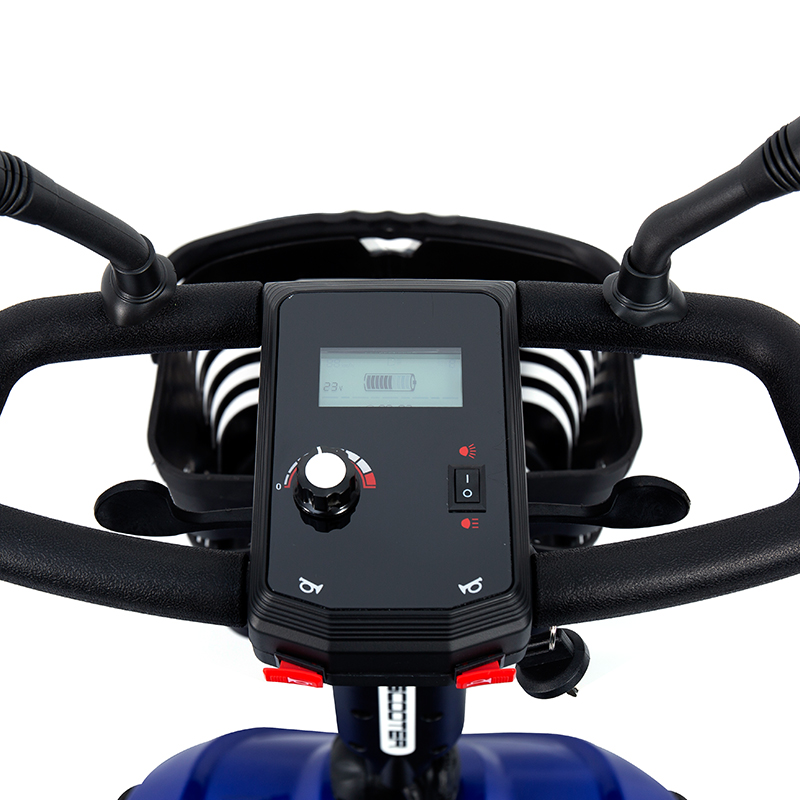 YL-09B Folding Four-Wheel Mobility Scooter with BasketA folding four-wheel scooter with steel frame, adjustable seat and front basket for daily transport, leisure and short urban trips.View Product →
Balance stability, wheel count, and turning space
Three-wheel and four-wheel scooters solve different problems. Three-wheel models often turn more tightly, which can help in narrow indoor spaces. Four-wheel models generally feel more stable at low speed and on uneven ground, but they may need more room to turn.
Three wheels for tight turns
A three-wheel layout can suit a user who spends most of the day indoors or in compact shops and needs a small turning radius. The trade-off is that stability may feel different on slopes or rough pavement, so a test ride matters.
Four wheels for a steadier ride
A four-wheel layout is often the safer starting point for outdoor use, longer trips, and users who want a planted feeling. Check the actual turning radius, not just the wheel count, because a long frame can still struggle in a small hallway.
Measure the narrowest doorway, the tightest corner, and the space where the scooter will be parked. If you cannot complete a clean turn at home, the scooter is too large for your routine, regardless of its range or seat comfort.
Check weight capacity, seat fit, and comfort first
Weight capacity should cover the user plus anything carried in the basket or bag. A model that is only just within the limit may feel less stable and may wear faster. Leave a margin when possible.
Weight capacity
Look for a clear limit and consider the weight of groceries, a handbag, or a backpack. Do not treat the limit as a target.
Seat and tiller
Seat width, backrest support, armrest height, and tiller angle affect comfort more than thick padding alone.
Tyres and suspension
Pneumatic or solid tyres, suspension, and floor clearance change how the scooter handles cracks, paving, and kerbs.
Sit on the scooter before buying if possible. Check that your feet rest comfortably, your arms are not stretched, and you can reach the controls without leaning forward. A seat that feels fine for five minutes may become uncomfortable after an hour.
Choose battery range around real trips, not the brochure maximum
Range figures are usually measured under controlled conditions. Hills, cold weather, rider weight, tyre pressure, and frequent stopping can reduce the distance you actually achieve. Treat the stated range as an upper estimate and plan a buffer.
- Short daily trips: a smaller battery may be enough and can keep the scooter lighter.
- Longer neighborhood trips: look for a model with a comfortable margin above your usual route.
- Travel: check charging voltage, removable battery options, and any airline or transport rules before booking.
- Storage: confirm that you can reach the charging point and safely run the cable without creating a trip hazard.
A range claim is a test result, not a promise for your street, your hills, or your weather. Buy for the trip you make most often, then add a little margin.
Plan how the scooter will travel and where it will sleep
Portability is not one feature. It is a chain of actions: folding or disassembling, lifting the heaviest part, fitting the scooter into a car, storing it at home, and repeating the process when you return. A model that folds quickly but weighs too much for the person lifting it is not truly portable for that household.
Folding models
Folding scooters can be practical for car boots, hallways, and family visits. Check the folded dimensions, the weight of the heaviest piece, and whether the basket or seat must be removed first.
Travel and storage
Measure the car boot opening, not just the boot floor. Confirm that the scooter can be rolled to the car, lifted safely, and secured so it cannot move during the journey. At home, leave space for charging and avoid blocking a fire exit or walkway.
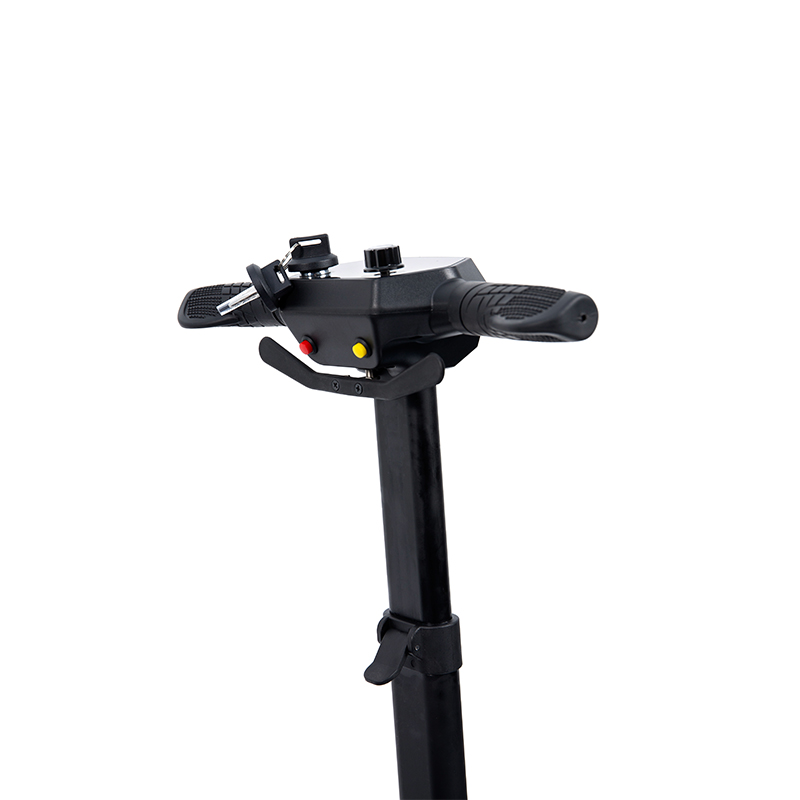 YL-211 Folding Four-Wheel Tourist Electric ScooterAn aluminum-frame folding scooter with lithium battery, LED headlight and basket, suited to outings, sightseeing and transporting in a car trunk.View Product →
Match outdoor ability to pavement, gravel, and slopes
Outdoor use asks more from tyres, clearance, motor power, and braking. A scooter that works well on smooth pavements may struggle on gravel, wet grass, or a steep driveway. Check the ground clearance and the size of the wheels before you focus on top speed.
Climbing and clearance
A climbing rating can help you compare models, but it should be read as a manufacturer claim under specific conditions. If your route includes a slope, test it with the scooter loaded as it would be in normal use, and confirm that you can stop and restart safely.
For rougher ground, look for larger tyres, a stable wheelbase, and enough clearance to avoid scraping. If most of your trips are on smooth indoor floors, a heavy outdoor model may be more scooter than you need.
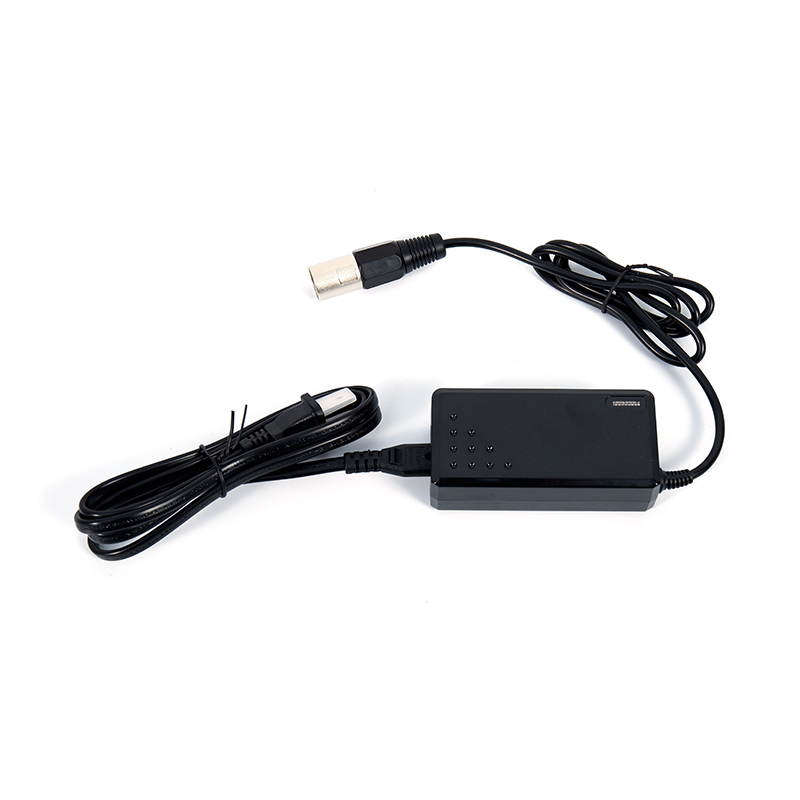 YL-08S Heavy-Duty Four-Wheel Folding Mobility ScooterA heavy-duty steel-frame four-wheel scooter with 350W motor, 20 km range and front basket for short errands and neighborhood trips.View Product →
Confirm safety features, support, and paperwork
Safety is not a single label. It is the combination of brakes, stability, lighting, visibility, and the user’s ability to control the scooter in real conditions. Look for reliable brakes, a horn, anti-tip support where appropriate, and lights if you may travel at dawn, dusk, or night.
Check the controls with the scooter switched off, then with the power on in a clear space. Make sure the speed dial, forward and reverse controls, and emergency stopping method are easy to reach and understand. If a family member or caregiver will help with transport, they should also practice the folding and lifting steps.
Manuals and support
Good paperwork matters. Look for clear assembly instructions, charging guidance, tyre and battery care, and a contact route for replacement parts. If a travel model is on your shortlist, review the YL-211A instruction sheet before you buy so you understand assembly, charging, and transport steps.
A practical buying checklist
Use this list to compare two or three shortlisted models on the same terms. It is easier to spot a poor fit when every scooter is judged against the same routine.
- Measure the narrowest doorway, tightest turn, and storage space.
- Confirm the weight capacity with a safe margin for carried items.
- Check seat width, backrest support, armrest height, and tiller reach.
- Estimate your common trip distance and add a buffer for hills and cold weather.
- Test the folding or disassembly steps with the person who will do them most often.
- Review brakes, lights, tyres, charging access, and available support before paying.
Frequently asked questions
Q1: How do I choose between a three-wheel and four-wheel scooter?
Choose three wheels if tight turning space is the main constraint and you mostly use smooth indoor or paved areas. Choose four wheels if stability on outdoor routes, slopes, or uneven ground matters more. Test the turning radius in person whenever possible.
Q2: What range is enough for daily use?
Estimate your longest regular round trip, then add a buffer for hills, cold weather, and battery ageing. A scooter that only just covers your daily route may become limiting within a short time.
Q3: Can I take a mobility scooter on a plane?
Not automatically. Air travel depends on battery type, watt-hour limits, airline rules, and airport handling. Check with the airline before booking and keep the battery documentation with the scooter.
Q4: Should I buy the lightest scooter available?
Not always. Lightweight models are easier to transport, but weight can also support stability. Choose the lightest scooter that still meets your capacity, range, and comfort needs.
Get help before you commit
If you are comparing folding, travel, or outdoor models, the right next step is to confirm dimensions, weight limits, and support details against your own routine. A short conversation can prevent an expensive mismatch.
PREV:No previous article
NEXT:Mobility Scooter Safety Features: What Buyers and Distributors Must Check
NEXT:Mobility Scooter Safety Features: What Buyers and Distributors Must Check
Interested in cooperation or have questions?
News

-
The information provided on this website is intended for use only in countries and jurisdictions outside of the People's Republic of China.
-
Office Address
Room 315, building5, No.45 Songbei Road, Suzhou area, China Pilot Free Trade Zone
-
Factory Address
No. 2 Shanyan Road, Huzhen Town, Jinyun Country, Lishui, Zhejiang, China
-
Mobile Phone
+86 137 7606 7076
-
Email
taylor.liu@heinsmed.com
Stay Connected
lf you can't find the answer you're looking for, chat with our friendly team.
Mobile
Copyright © Suzhou Heins Medical Equipment Co., Ltd. All Rights Reserved.
Custom Mobility Scooters for Elderly Suppliers
Custom Mobility Scooters for Elderly Suppliers