


 Español
 Deutsch
 عربى

1. Introduction In modern society, with the increasing trend of population aging and the accelerating pace of life, the importance of means of transpo...
READ MOREmobility scooter vs electric wheelchair: Practical Applications, Selection, Performance
Two neighbours on the same street, both with knee osteoarthritis. One buys a four-wheel mobility scooter and uses it four times a day for shopping and the park. The other buys an electric wheelchair and never looks back. Budget was not the deciding factor, and neither was brand. The difference was simpler: one of them could still stand up from a chair without help, and the other could not.
If the user can stand, turn, and lower themselves into a seat unaided, a mobility scooter usually delivers more range for the money and a more familiar driving feel. If transferring is painful, unsafe, or needs a second pair of hands, an electric wheelchair is the correct device, even though the price tag is higher.
The rest of this guide explains where that line falls, which measurements change the answer, and what to check before an order is placed.
The Short Answer: Transfer Ability Decides the Category
Scooters are built around a tiller and a seat you step into. Electric wheelchairs are built around a seating system you sit in for hours. Nearly every practical difference, from turning radius to price, follows from that one design decision.
| Factor | Mobility scooter | Electric wheelchair |
|---|---|---|
| Getting on and off | Requires standing and stepping onto a footplate | Allows side or front transfer, often with a sliding board |
| Steering method | Handlebar or delta tiller, usually two hands | Joystick, usually one hand, very low force |
| Comfortable sitting time | One to three hours of errands | Four to ten hours with correct cushioning |
| Turning radius | Roughly 1.1 to 1.6 m on four-wheel models | Often under 0.8 m on mid-wheel drive models |
| Upper-body demand | Moderate grip and arm strength for steering and braking | Very low; programmable joystick sensitivity |
| Boot transport | Many models fold or split into two or three parts | Folding power chairs exist but are generally heavier |
| Cost profile | Lower for comparable range | Higher; seating and control electronics add cost |
Buy on transfer ability first, terrain second, price third. Reversing that order is the most common and most expensive mistake in this category.
Five Differences That Decide the Purchase
1. Steering Effort and Upper-Body Strength
A scooter tiller asks for grip strength and separate left-right hand coordination, especially at low speed and on cambered pavements. Riders with rheumatoid arthritis, hand tremor, or one-sided weakness often handle a joystick far more easily, because a powered wheelchair controller can be tuned for speed, acceleration, and joystick sensitivity. If the rider cannot reliably hold a tiller for twenty minutes, the scooter is the wrong purchase regardless of price.
2. Seat Time and Pressure Management
A captain seat on a scooter is comfortable for a morning of errands. It is not designed for six hours of continuous sitting, and it rarely offers adjustable depth, tilt, or lateral support. Power wheelchair seating is built the other way around: seat width and depth matched to the body, optional tilt or recline, headrests, and pressure-relieving cushions. For anyone who spends most of the day seated, that difference matters more than top speed.
3. Footprint, Doorways, and Tight Corners
Measure before you choose. Interior doorways commonly run 760 to 810 mm, and the tightest 90-degree turn in the home is usually the bathroom or kitchen entrance. Four-wheel scooters are long and need a wide arc; three-wheel scooters turn more tightly but are less stable on slopes and uneven ground. Mid-wheel drive power chairs typically rotate within a much smaller circle, which is why they dominate indoor use.
4. Terrain, Slopes, and Wheel Configuration
Grade ratings are the number to ask for. A model rated at 12% climbing capacity is handling roughly one metre of rise for every eight metres of travel, which covers most driveway ramps and parking garage entrances. Gravel, wet leaves, and kerbs are a different problem: pneumatic tyres, ground clearance, and anti-tip bars matter more than motor watts. All-terrain scooters trade portability for traction and a higher seating position, which also raises the centre of gravity on side slopes.
5. Battery, Running Cost, and What Wears Out First
Battery packs dominate long-term running costs in both categories. Brochure range figures are usually measured on flat ground with a lighter rider at steady speed, so real-world range often lands well below the printed number, especially in cold weather or on hills. Lithium packs cost more up front and generally last more charging cycles than sealed lead-acid. Tyres, brake assemblies, and controllers are the next items to fail, so spare-part availability should be part of the comparison, not an afterthought.
Portability, Travel, and the Battery Question
If the device has to fit into a car boot several times a week, compare the heaviest single piece rather than total weight. Many folding scooters and folding power chairs split into two or three sections, and the heaviest section is what the carer actually lifts. Automatic folding designs remove that lift entirely by folding under remote control.
Air travel adds a second layer of rules. Lithium batteries are treated as dangerous goods, dry-cell batteries are not, and watt-hour limits vary by carrier, so the battery must be declared and approved before the flight is booked. Most airlines work from the same baseline framework, which is summarised in this guide to the FAA requirements for taking a power wheelchair on a plane. Confirm the specific carrier policy in writing, and carry the battery documentation with the device.
- Ask whether the battery is airline-approved and removable.
- Check the folded dimensions against your actual vehicle boot, not the catalogue photo.
- Confirm the heaviest single component weight before promising a carer can lift it.
- Request the model-specific instruction file so service staff can work from the correct wiring and charging data.
Matching the Machine to the Routine, Not the Brochure
Once the category is settled, the model choice comes down to three numbers: rated range, climbing capacity, and load rating. A few reference points from the Heins Medical range show how those numbers map onto real routines.
20 km
Rated range on the YL09S foldable powered scooter, aimed at daily errands and longer neighbourhood trips.
12%
Stated climbing capacity on the YL08S heavy-duty four-wheel folding scooter, for ramps and garage entrances.
150 kg
Weight capacity on the H ESR306 lightweight folding rollator with TPR wheels and adjustable height.
For regular pavement and shopping, four-wheel folding scooters with a basket cover the ground quickly, and models with an LED headlight make early morning and evening trips safer. For sloped or hilly neighbourhoods, prioritise climbing capacity over styling. For off-pavement use, all-terrain four-wheel models with higher power and pneumatic tyres hold traction where compact scooters start to slip.
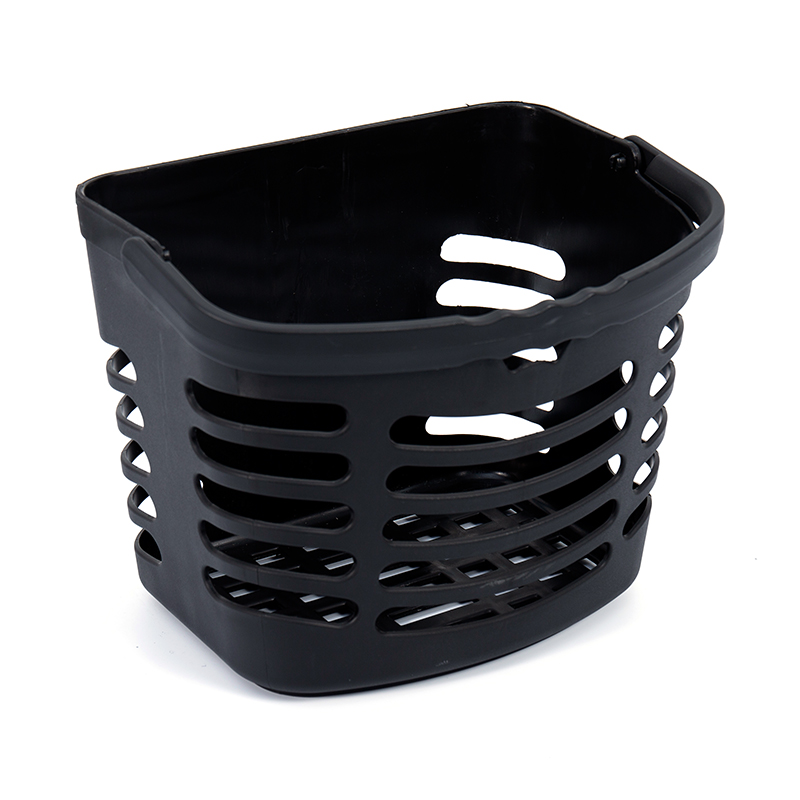 YL-09S Foldable Long-Range Powered Scooter for Adults and SeniorsA foldable 20km scooter with steel frame, LED lights, mirrors, basket, and solid tires for daily errands, shopping, and neighbourhood trips.View Product →
On the wheelchair side, the choice usually comes down to folding method and travel intent. Manual folding chairs such as the YL60217 suit users who want intelligent operation with a familiar folding frame, portable travel chairs like the YL6011 are built for transport and hotel use, and automatic folding chairs with remote control remove the bending and lifting step when the user cannot fold a frame by hand.
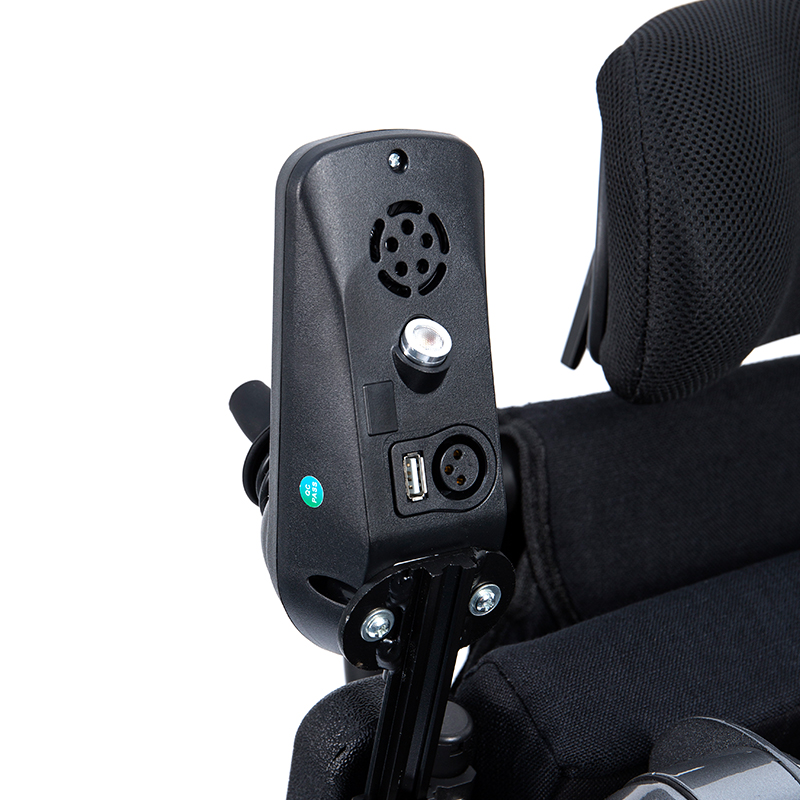 YL-9005 Automatic Folding Remote Control Electric WheelchairA remote-control auto-folding power wheelchair with aluminum frame, lithium battery, joystick controls, and 20km range for daily use and travel.View Product →
Riders who plan to leave sealed paths entirely should look at the all-terrain segment instead, where heavier frames, wider tyres, and higher motor output are designed for gravel, grass, and uneven ground rather than doorways.
For walking rehabilitation and partial support, rollators sit alongside both categories: the H ESR306 for general indoor and outdoor use, the H ESR318 for extended comfort, and the H ESR321 carbon fibre version where weight reduction is the priority. Specifications above are taken from product listings, so confirm final configuration, battery type, and documentation with the supplier before ordering.
A Six-Point Checklist Before You Order
- Run the transfer test. Ask the user to stand from their own chair and sit down again without assistance. If that fails, choose a power wheelchair.
- Measure three openings. Front door, bathroom door, and the narrowest hallway. Add the device width plus 50 mm of clearance.
- Walk the steepest slope in the area. Match it against the stated climbing capacity, and remember that wet or loose surfaces reduce grip.
- Confirm the battery chemistry and watt-hour rating if the device will ever travel by air or train.
- Weigh the heaviest single piece and decide who lifts it, how often, and into what vehicle.
- Request the model-specific instruction file and check that spare tyres, batteries, and controllers are orderable for that exact version.
FAQ: Mobility Scooter vs Electric Wheelchair
Q1: Can a mobility scooter be used indoors?
Only if the turning radius and door widths allow it. Most four-wheel scooters are too long for bathrooms and narrow kitchens. Three-wheel scooters turn tighter but are less stable on ramps and uneven floors, so indoor use is usually a power chair task.
Q2: Is an electric wheelchair always more expensive?
No. A basic folding power chair can cost less than a large all-terrain scooter. The gap opens when custom seating, tilt-in-space, or powered positioning is added, because those are seating-system costs rather than motor costs.
Q3: Which one is easier to put in a car?
Compare the heaviest single piece, not the total weight. Many folding scooters and folding power chairs split into two or three parts. Automatic folding chairs fold under remote control, which removes the bending and lifting step for the user.
Q4: Do I need an assessment or prescription?
In many markets, no. Where funding or insurance is involved, an assessment is usually required, and it tends to favour power wheelchairs because they are classified as seating rather than as a scooter.
Q5: Can one person use both devices?
Yes, and it is common. A scooter covers outdoor errands at speed, while a wheelchair handles long days, indoor transfers, and low-energy periods. Budget for two devices rather than forcing a single compromise machine.
The category decision is made by transfer ability; the model decision is made by range, climbing capacity, load rating, and how the device travels with you. Get those four numbers right and the rest of the specification list becomes detail work rather than guesswork.
For distributors, retailers, and care facilities building a model mix across scooters, power wheelchairs, and rollators, speak with our export team through the Heins Medical contact page about documentation, configuration options, and exhibition appointments.
PREV:No previous article
NEXT:Mobility Scooter Lifespan and Durability: What Really Determines How Long They Last
NEXT:Mobility Scooter Lifespan and Durability: What Really Determines How Long They Last
Interested in cooperation or have questions?
News

-
The information provided on this website is intended for use only in countries and jurisdictions outside of the People's Republic of China.
-
Office Address
Room 315, building5, No.45 Songbei Road, Suzhou area, China Pilot Free Trade Zone
-
Factory Address
No. 2 Shanyan Road, Huzhen Town, Jinyun Country, Lishui, Zhejiang, China
-
Mobile Phone
+86 137 7606 7076
-
Email
taylor.liu@heinsmed.com
Stay Connected
lf you can't find the answer you're looking for, chat with our friendly team.
Mobile
Copyright © Suzhou Heins Medical Equipment Co., Ltd. All Rights Reserved.
Custom Mobility Scooters for Elderly Suppliers
Custom Mobility Scooters for Elderly Suppliers