


 Español
 Deutsch
 عربى

1. Introduction In modern society, with the increasing trend of population aging and the accelerating pace of life, the importance of means of transpo...
READ MOREMobility Scooter Lifespan and Durability: What Really Determines How Long They Last
After three years of daily riding, battery range drops by half, the tiller loosens, and hairline cracks appear in the plastic shrouds. That is how most mobility scooters end their useful life — through gradual wear of individual parts, not one dramatic failure. The realistic expectation is that a well-built scooter delivers five to eight years of dependable service with one or two battery replacements, while the frame itself stays safe for a decade or more. Whether you reach five years or ten depends on what you buy, how you maintain it, and how you ride it.
What Is the Realistic Lifespan of a Mobility Scooter?
A mobility scooter is not a single component with a single expiry date; different subsystems age at very different rates. The table below shows typical service life for each major part under normal daily use with reasonable care.
| Component | Typical Lifespan | Main Causes of Premature Failure |
|---|---|---|
| Frame (steel or aluminum) | 10+ years | Corrosion, repeated overloading, weld fatigue |
| Lead-acid battery | 1–2 years | Deep discharges, heat, frequent full drains |
| Lithium battery | 3–5 years | Full discharges, extreme cold, low-quality cells |
| Drive motor (brushless) | 5–8 years | Water ingress, sustained hill climbs, debris |
| Solid tires | 4–6 years | UV exposure, sharp debris, heavy loads |
| Pneumatic tires | 1–3 years | Punctures, incorrect inflation pressure |
| Controller and electronics | 4–7 years | Moisture, voltage spikes, vibration |
10+years typical frame life
2xlithium life vs. lead-acid
5–8years typical motor life
60%of rated range after 2 years
Read the table from the bottom up and a clear pattern emerges: the battery is almost always the first major replacement, electronics follow around year four or five, and the frame reaches a decade only when the scooter is never overloaded. That is why "scooter lifespan" is really a component-by-component question. When a seller claims a used scooter "still has years of life," ask which years — the battery's or the frame's.
What Determines Durability Before You Even Start Riding?
Durability is mostly decided at the factory. No amount of careful maintenance can compensate for a weak frame, an undersized motor, or electronics not sealed against moisture. Buyers who want a scooter that still rides well in year five should look at four engineering details first.
Frame, Welds, and the Load Margin
The rule is simple: buy a scooter rated well above your actual weight. A frame rated for 136 kg carrying a 75 kg rider sees far less stress at weld points and folding joints than the same frame loaded to its limit. Folding mechanisms matter too — metal-on-metal locking hinges outlast plastic latch systems by years.
Motor Sizing and Climbing Reserve
A motor that spends most of its time near maximum output runs hot, and heat is the leading cause of bearing and winding failure. Climbing ratings are therefore a durability signal, not just a performance spec. A scooter certified for a 12% climbing capacity carries a motor and controller sized with reserve, so the same machine on flat ground runs cool and inside its design envelope. If your routes include hills or ramps, motor headroom is one of the smartest durability purchases you can make.
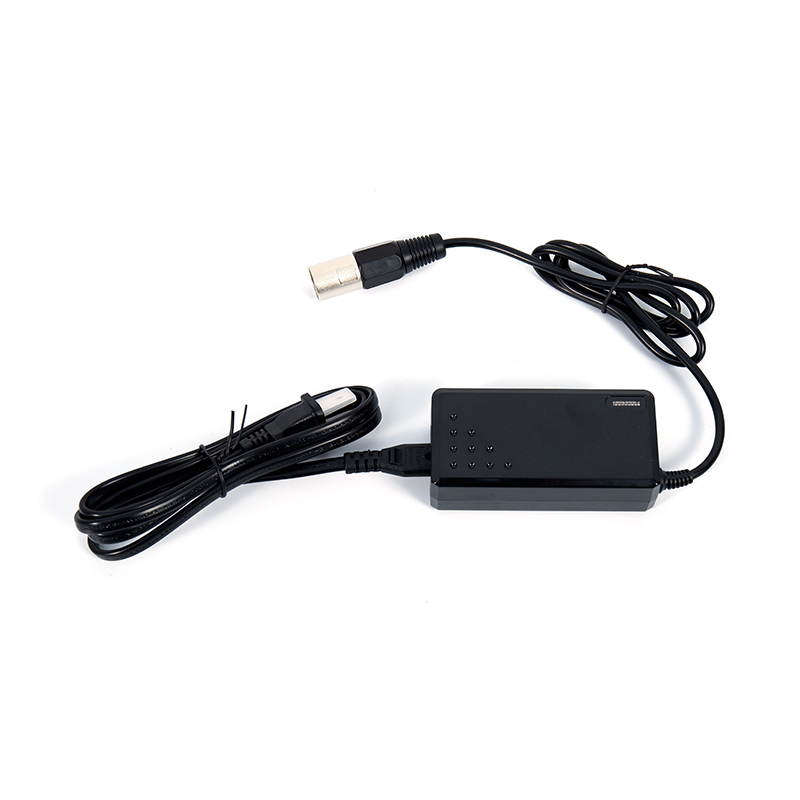 YL-08S Heavy-Duty Foldable Mobility Scooter with 12° Climbing CapacityBuilt with a steel frame and ergonomic seating, this four-wheel scooter is rated for a 12% climbing grade, indicating a motor with reserve power for hills and cooler operation on flat ground.View Product →
Ground Clearance, Tires, and Suspension
Curbs, potholes, and gravel transmit shock straight through the wheels to the axle and frame; larger wheels and higher ground clearance absorb that abuse. Solid tires never puncture but transfer more vibration, while pneumatic tires cushion the ride but need pressure checks. For uneven outdoor ground, choose suspension and pneumatic or semi-pneumatic tires.
Sealed Electronics and Connectors
Moisture is the quiet killer of scooters. A controller mounted under the seat with a gasketed cover, waterproof connectors, and coated circuit boards tolerates rain and washing far longer than exposed electronics. Ask where the controller sits and whether the wiring uses sealed plugs before you buy.
Buying rule: when a manufacturer publishes concrete numbers for climbing capacity, weight rating, tire type, and electronic sealing, those are the best evidence the scooter was engineered for a long service life. Vague marketing without data is the opposite signal. Review what features make a mobility scooter truly durable for long-term use before comparing models.
Battery Life: The Single Biggest Variable
No other component shapes your perception of scooter lifespan more than the battery, and none is replaced more often. When range drops from 20 km to 10 km, the scooter feels dead even though the frame, motor, and electronics are healthy. Battery chemistry and charging behavior are the most direct levers you control.
Lead-Acid vs. Lithium: A Twofold Difference
Sealed lead-acid (SLA) batteries typically last one to two years before capacity falls below a practical threshold. Lithium batteries commonly reach three to five years and hold a flatter discharge curve, so you keep most of your range until the end. The upfront cost difference is real, but so is the replacement interval: an SLA scooter may need three battery changes in five years, while a lithium model needs one. Long-range lithium models such as the YL09S are designed around exactly that ownership math.
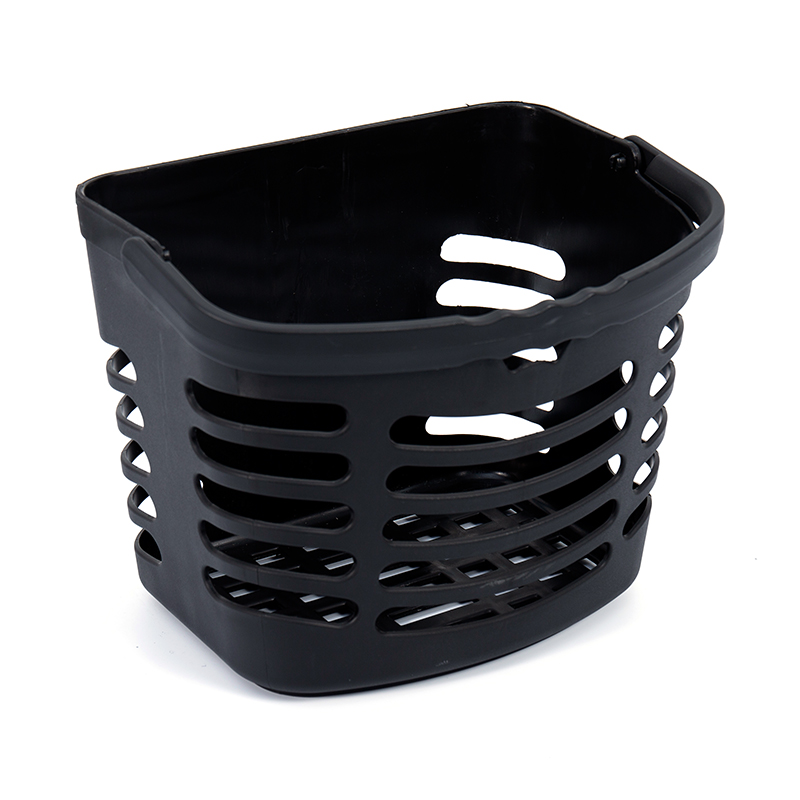 YL-09S Long-Range Foldable Scooter with 20 km RangeThis lithium-powered foldable scooter offers a 20 km range, fitting the discussion on battery longevity and real-world range expectations, making it a practical choice for daily errands.View Product →
Charging Habits That Add Years
- Recharge after each ride, but avoid repeatedly topping off a battery already above 90%.
- Never run the battery to empty; deep discharge is the fastest way to damage lead-acid cells and stress lithium cells.
- Store the scooter at 30% to 70% charge if it will sit unused for weeks.
- Keep the battery away from extreme heat; summer garage storage is a common cause of premature failure.
Range ratings deserve decoding too. A stated range is measured in ideal conditions — flat ground, moderate speed, a new battery, and a light rider. In real use, expect 60% to 70% of the rated range after two years, so plan daily trips inside that margin.
Maintenance That Actually Extends Lifespan
Ten minutes of routine care per month will typically help a scooter outlast an identical one that is ignored. The parts that wear first — tires, brakes, bearings, connectors — can all be inspected without special tools.
- Clean and dry after wet rides. Wipe down the frame, check connector plugs under the seat, and let the scooter dry indoors before storing it.
- Check pneumatic tire pressure weekly. Under-inflated tires overheat, wear unevenly, and increase rolling resistance, which drains the battery faster.
- Inspect brakes and cables monthly. Look for stretched cables, rust, and loose fittings before they become safety issues.
- Tighten fasteners every two months. Wheel nuts, tiller bolts, and seat-post clamps rattle loose from normal vibration; catching them early prevents costlier damage.
- Keep battery terminals clean. Corrosion at the terminals is the most common cause of intermittent power loss.
- Follow the model-specific manual. Each model has its own service intervals and torque values, so keep the printed manual or PDF within reach.
Replacement-part availability is another hidden variable. Scooters with modular components — standard connectors, common tire sizes, and separately replaceable controllers, motors, and batteries — are much cheaper to keep alive past the five-year mark than models locked to dealer service.
Buying for the Long Term: What a Manufacturer Should Be Able to Prove
When you buy from a manufacturer or distributor, the durability question shifts from "how long will this work" to "how do we know it was built properly." This checklist covers decisions that drive long-term reliability.
Weld Quality and Paint Coverage
Examine the joints where frame tubes meet. Smooth, continuous welds with full coverage indicate a controlled production process. Paint that chips easily exposes bare metal to corrosion, and a frame that rusts from the inside will never reach its tenth year. Heavy-duty all-terrain machines are built with extra frame material and protective coatings for that reason.
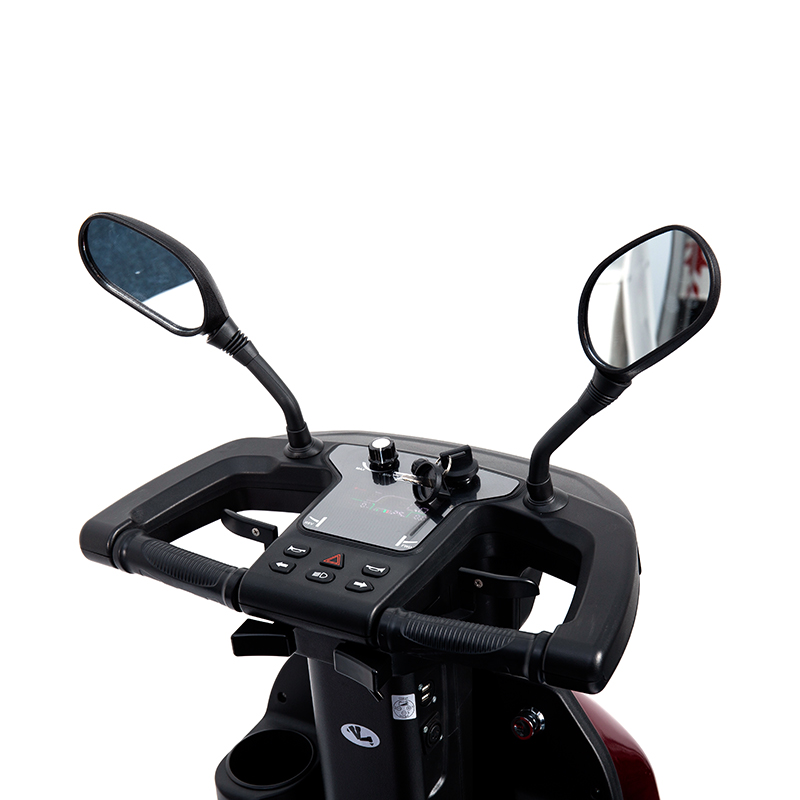 TK-500 Heavy-Duty All-Terrain Four-Wheel Electric ScooterEngineered for rough terrain with a reinforced frame, professional suspension, and off-road tires, this high-torque scooter suits outdoor work and recreational use, addressing durability concerns raised in the context.View Product →
Component Sourcing and Test Documentation
Reliable manufacturers can name their battery cell source, controller brand, and motor supplier — and they test-run units before packing. If a factory cannot document quality control or point to the standards it meets, component quality is a gamble no matter how good the brochure looks.
Spare Parts and Manuals
Long lifespan is only useful when a scooter can be repaired. A model with a published PDF manual, available spare parts, and a clear parts breakdown is faster and cheaper to maintain in years three through eight.
Procurement note: for shops, rental fleets, and care facilities sourcing multiple units, ask three questions before ordering: which battery chemistry is installed, what is the highest climb rating in the lineup, and how long spare-parts delivery takes. These answers predict the after-sales burden far better than any sales presentation.
If you are evaluating factory quality, discussing a specific use environment, or planning an order for years of demanding service, the engineering and export team can be reached through the contact page to review specifications before you commit.
Mobility Scooter Lifespan FAQ
Q1: How many years does a mobility scooter last?
With normal maintenance, a mid-priced mobility scooter provides five to eight years of usable service. The frame can last ten years or more, the battery will need replacement every one to five years depending on chemistry, and electronics typically last four to seven years.
Q2: What wears out first on a mobility scooter?
The battery is almost always the first component needing replacement, followed by tires and brake parts. Controller and electronics failure usually appears in the four- to seven-year range. Frame issues only show up later, and almost always because the scooter was overloaded or exposed to corrosion.
Q3: Are lithium batteries worth the higher upfront cost?
For daily riders, yes. A lithium pack typically lasts three to five years versus one to two years for lead-acid, so over five years of ownership a lithium scooter usually needs one battery purchase while an SLA model needs two or three. Lithium also holds its range better as it ages.
Q4: Can an older scooter be made reliable again?
In most cases, yes. Replacing the battery restores range, new tires and brake pads address the most common wear items, and a thorough check of connectors and fasteners removes hidden failure points. A scooter in good mechanical condition at year four can usually reach year eight with these critical component swaps.
PREV:No previous article
NEXT:Mobility Scooter Hill Climbing Ability: What Really Matters Before You Buy
NEXT:Mobility Scooter Hill Climbing Ability: What Really Matters Before You Buy
Interested in cooperation or have questions?
News

-
The information provided on this website is intended for use only in countries and jurisdictions outside of the People's Republic of China.
-
Office Address
Room 315, building5, No.45 Songbei Road, Suzhou area, China Pilot Free Trade Zone
-
Factory Address
No. 2 Shanyan Road, Huzhen Town, Jinyun Country, Lishui, Zhejiang, China
-
Mobile Phone
+86 137 7606 7076
-
Email
taylor.liu@heinsmed.com
Stay Connected
lf you can't find the answer you're looking for, chat with our friendly team.
Mobile
Copyright © Suzhou Heins Medical Equipment Co., Ltd. All Rights Reserved.
Custom Mobility Scooters for Elderly Suppliers
Custom Mobility Scooters for Elderly Suppliers