


 Español
 Deutsch
 عربى

1. Introduction In modern society, with the increasing trend of population aging and the accelerating pace of life, the importance of means of transpo...
READ MOREMobility Scooter Charging Safety Tips: Protect Your Battery and Extend Your Ride
A mobility scooter that runs out of power at the far end of a mall is an inconvenience. One that overheats while charging can be a hazard. Charging is the one daily task that connects a high-capacity battery to household mains, so the routine around it deserves more than a casual plug-it-in-and-leave-it. These mobility scooter charging safety tips cover what to check before you plug in, how to charge in a way that protects the battery, and what changes when you travel.
Why Mobility Scooter Charging Safety Starts With the Charger
Manufacturers select a charger to match the battery’s voltage, chemistry, and charging profile. The correct charger knows when to slow down, when to stop, and how to deliver power without overheating the cells. A charger with the wrong voltage can overcharge; a high-current fast charger can push heat into a battery not designed for it; and a cheap universal unit may lack an auto-cutoff. These are not minor details.
Use the charger that came with your scooter, or an exact replacement recommended by the manufacturer. If your charger becomes hot enough to smell, makes crackling noises, or shows a damaged cord, stop using it and replace it before the next charge.
Rule of thumb: if a charger or battery ever feels uncomfortably hot, unplug it and let a qualified technician inspect the system before you charge again.
Inspect These Components Before Every Charge
A safety routine only takes a minute, but it catches problems while they are still small. Before you connect anything, look at the three things that carry power:
- Charger and cable: check for cuts, exposed wire, bent pins, cracked plug, or a charger that was dropped.
- Battery case: look for swelling, cracks, leaks, rust, or heat. A swollen lithium battery should never be charged.
- Charging port: make sure it is clean, dry, and free of dirt, snow, or corrosion.
Also choose your charging surface before you plug in. Dry ceramic tile, a metal workbench, or a purpose-built charging cabinet is better than carpet, upholstery, or paper. The battery and charger need airflow around them, and the area should not block your path to an exit.
If any of these checks fail, do not charge the scooter. Contact your dealer or the Heins support team with the scooter model and the exact problem you see.
Use a Repeatable Charging Routine
Most charging mistakes come from rushing. A simple sequence keeps the electrical path predictable and reduces the chance of arcing or overheating:
- Let the scooter cool down for 30 to 60 minutes after a ride before you charge it.
- Plug the charger into the scooter first, then connect the charger to the wall outlet.
- Do not place the charger on the scooter seat or directly on carpet while it is running.
- When charging finishes, unplug the charger from the wall first, then disconnect it from the scooter.
- If you must charge overnight, use a charger with automatic shutoff and keep the scooter in a well-ventilated room with a working smoke alarm.
A charger that continues to push energy into a battery that is already full can cause excessive heat and shortened battery life. Even with a smart charger, it is safer to unplug once the indicator says the battery is full.
After Rain, Snow, or Cold Weather, Take Extra Care
Mobility scooters are weather-resistant for riding, but charging ports and connectors are not designed for a water spray. If the scooter is wet, dry the body, open the port cover, and let all moisture evaporate before you connect the charger. Charging with a damp connector can cause corrosion or a short circuit.
Cold weather also changes how the battery behaves. Lithium-ion batteries should not be charged when they are below freezing, and even lead-acid batteries charge more slowly and less evenly in cold temperatures. Move the scooter to a dry indoor space and give it time to reach room temperature before plugging in.
For riders who regularly use their scooter in wet weather, keep the charging port covered when it is not in use and inspect the seal as part of routine maintenance.
Match Your Charging Habits to the Battery Type
The chemistry inside the battery changes the charging rules you should follow.
Sealed lead-acid batteries
Lead-acid batteries tolerate consistent charging, but repeated deep discharge can damage the plates. If you let the battery drop to zero often, it may lose capacity permanently. These batteries should be charged in a ventilated area because they can release small amounts of gas, especially near the end of a charge.
Lithium-ion batteries
Lithium-ion packs are lighter, hold more energy per kilogram, and have a longer service life when treated well. They need a charger matched to their exact voltage and charge profile. Avoid charging a lithium battery below 0°C, and if the scooter will sit unused for a month or more, store the battery around 50% charge rather than at 100%.
Range still depends on rider weight, terrain, tire pressure, and temperature. If you find yourself charging several times a day because a scooter’s range is too short for your route, a longer-range model can reduce the number of charge cycles and lower daily risk.
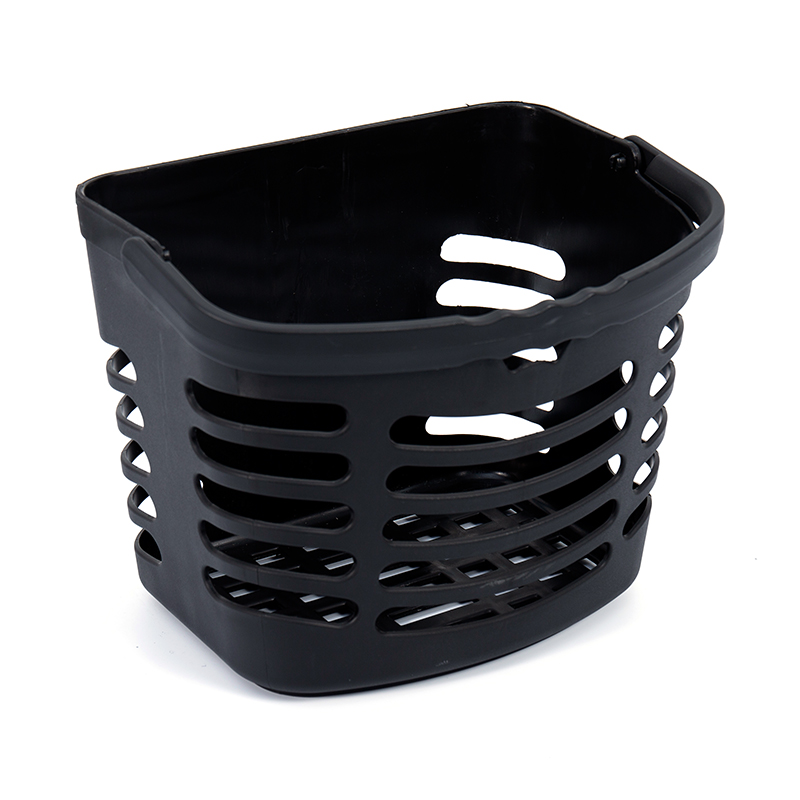 YL-09S Long Range Foldable Mobility Scooter for Adults and SeniorsThis model offers up to 20 km per charge on a rugged steel frame, reducing daily charging frequency and supporting longer errands or leisure trips.View Product →
For more detail on preserving range, read our guide on how to maximize mobility scooter battery lifetime and driving range.
Travel, Airlines, and Portable Scooter Charging
Travel changes charging safety in two ways: the electrical supply may be unfamiliar, and the battery may be subject to airline rules. For lithium-ion batteries, aviation regulations generally allow batteries under 100 watt-hours in carry-on luggage without airline approval, while batteries from 100 to 300 watt-hours may require airline approval. Spare lithium batteries must usually be carried in the cabin, not placed in checked baggage. Always confirm with your airline before the trip.
If your scooter has a removable battery, charge it on a non-flammable surface and use the charger supplied for that specific model. Do not use a travel adapter with a wattage rating below what the charger demands. An undersized adapter can heat up during a long charge.
For a scooter designed to be folded and carried, the same basic rules apply. A portable model can make transport easier, but it does not change how the battery should be charged or stored.
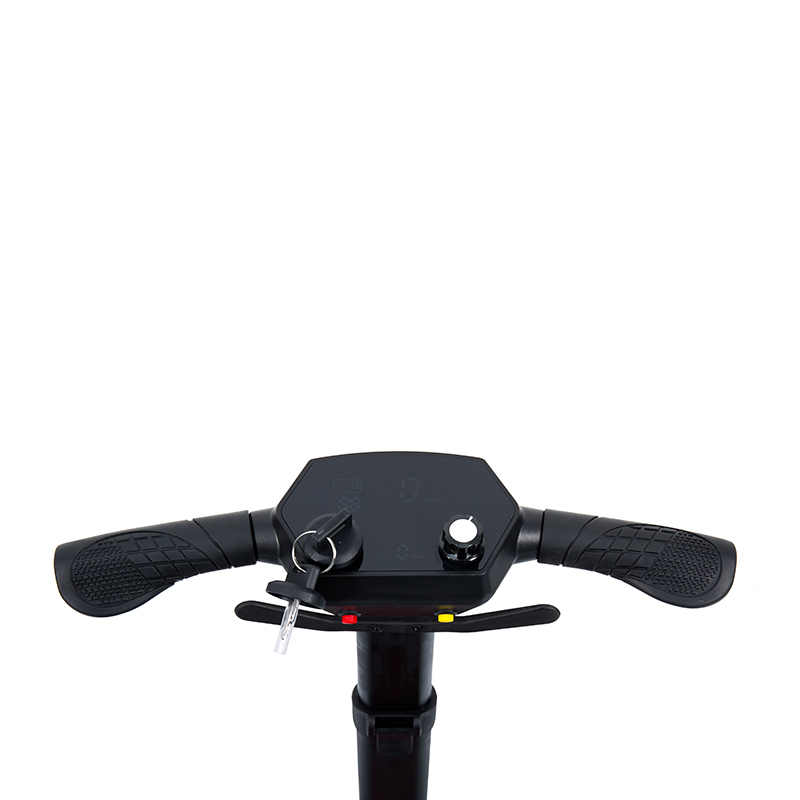 YL-985S Lightweight Foldable Travel Scooter with 17 kg Aluminum FrameWeighing only 17 kg and folding quickly, this portable scooter simplifies transport and storage while maintaining safety features, fitting the nearby charging discussion.View Product →
Mobility Scooter Charging Safety FAQ
Q1: Can I leave my mobility scooter charging overnight?
It is not ideal. Most quality chargers stop automatically, but electronic components can fail. If overnight charging is unavoidable, use a charger with automatic shutoff, charge in a well-ventilated room with a smoke alarm, and keep the scooter away from curtains, bedding, or cardboard.
Q2: Why does my charger get warm during charging?
A warm charger is usually normal because converting household AC power to battery DC power creates some heat. If the charger becomes too hot to hold comfortably, smells like burning plastic, or makes crackling sounds, unplug it and have it inspected before using it again.
Q3: Should I charge the battery after every short trip?
It depends on the battery chemistry. Lithium batteries handle partial charges well. Lead-acid batteries benefit from being recharged soon after discharge, but they should not be left on the charger after they reach full charge. Consult your scooter manual for the recommended cycle.
Q4: Can I charge my scooter from a car power inverter?
Only if the inverter is rated for the charger’s wattage and the scooter manual allows it. Cheap or undersized inverters can produce unstable power that stresses the charger. When possible, use a normal wall outlet indoors with the same inspection and ventilation steps described above.
PREV:No previous article
NEXT:How to Charge a Mobility Scooter Battery: Complete Guide for Safety & Range
NEXT:How to Charge a Mobility Scooter Battery: Complete Guide for Safety & Range
Interested in cooperation or have questions?
News

-
The information provided on this website is intended for use only in countries and jurisdictions outside of the People's Republic of China.
-
Office Address
Room 315, building5, No.45 Songbei Road, Suzhou area, China Pilot Free Trade Zone
-
Factory Address
No. 2 Shanyan Road, Huzhen Town, Jinyun Country, Lishui, Zhejiang, China
-
Mobile Phone
+86 137 7606 7076
-
Email
taylor.liu@heinsmed.com
Stay Connected
lf you can't find the answer you're looking for, chat with our friendly team.
Mobile
Copyright © Suzhou Heins Medical Equipment Co., Ltd. All Rights Reserved.
Custom Mobility Scooters for Elderly Suppliers
Custom Mobility Scooters for Elderly Suppliers