


 Español
 Deutsch
 عربى
عربى
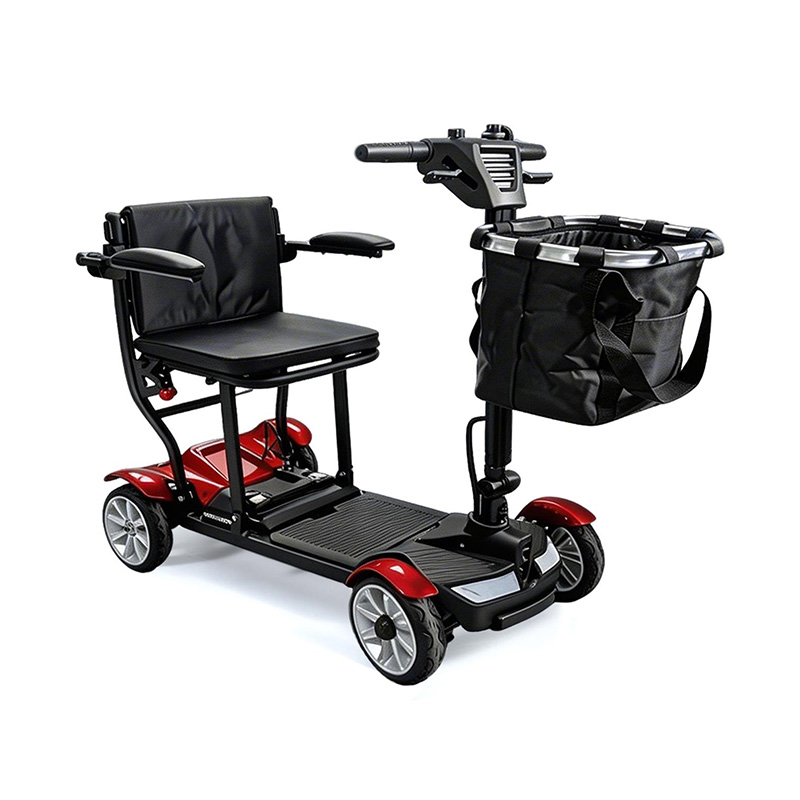
1. Introduction In modern society, with the increasing trend of population aging and the accelerating pace of life, the importance of means of transpo...
READ MOREHow to Safely Transport Your Mobility Scooter or Power Wheelchair in an SUV or Van
For millions of people who rely on mobility scooter or power wheelchair devices every day, getting from point A to point B is only half the challenge. The other half is figuring out how to bring their equipment along safely, without damaging the vehicle, the device, or putting anyone at physical risk. Whether you drive a compact SUV, a full-size van, or something in between, this guide walks you through every practical option available for transporting mobility equipment by car, step by step.
This is not a one-size-fits-all topic. A folding travel scooter behaves very differently from a heavy-duty four-wheel power chair, and a minivan offers entirely different loading options compared to a crossover SUV. Understanding the weight of your device, the tow rating of your vehicle, and the type of lift or ramp that suits your physical ability will determine which solution is right for you. Let us break it all down.
Understanding Weight and Dimensions Before You Start
Before investing in any lift or transport system, you need two numbers: the total weight of your mobility device and the usable interior or hitch payload of your vehicle. Getting these wrong is the most common and most costly mistake people make.
Typical Weight Ranges for Mobility Devices
| Device Type | Typical Weight Range | Common Disassembly |
|---|---|---|
| 3-Wheel Travel Scooter | 30 - 55 lbs | 5 pieces or fewer |
| 4-Wheel Standard Scooter | 90 - 160 lbs | Heavy, limited disassembly |
| Folding Power Chair | 50 - 80 lbs | Single fold unit |
| Standard Power Wheelchair | 120 - 250 lbs | Rarely disassembled |
| Heavy-Duty Power Chair | 250 - 400 lbs | Not practical to disassemble |
Once you know the device weight, check your vehicle's hitch receiver class and payload capacity. A Class I hitch supports roughly 200 lbs of tongue weight, while a Class III hitch handles 500 lbs or more. Never exceed the rated limit, even temporarily.
Measure Your Cargo Space Too
Interior loading requires measuring not just total cargo area length, but also the width of the rear door opening and any wheel arch intrusions. A device that fits by dimension may still not fit if it cannot clear the door frame during the loading angle. Many mid-size SUVs have a door opening width of 43 to 48 inches, while standard power chairs are often 24 to 26 inches wide, leaving adequate clearance. However, a wide four-wheel scooter may be 24 to 28 inches wide at the tires and may sit taller than the hatch opening at its entry angle, especially when using a ramp.
How Electric Scooter Lifts for SUVs Actually Work
The electric scooter lift for SUV setups has become the dominant solution for users who need to transport heavy mobility devices without physical exertion. Understanding the mechanical operation helps you choose the right lift and use it correctly.
An exterior platform lift typically uses a 12-volt DC motor driven by the vehicle's electrical system. The platform folds down to ground level, the device rolls on, and a remote or toggle switch raises the platform to travel height. The entire cycle takes 30 to 90 seconds depending on the model and load weight. Most modern lifts have automatic safety stops if the platform detects an obstruction.
Key Components of a Platform Lift
- Hitch Receiver Mount: The lift slides into the 2-inch square receiver tube and is secured with a hitch pin. Always use an anti-wobble or anti-rattle pin with any platform lift to reduce side-to-side movement at speed.
- Folding Platform Deck: The deck surface where the device sits. Look for a textured, non-slip surface and side rails or straps to prevent rolling off during transport.
- Electric Actuator or Motor: Powers the raise and lower cycle. Duty-cycle rating matters if you load and unload multiple times per day.
- Weather Cover or Bag: An optional but highly recommended cover protects the device's electrical components from rain, road spray, and UV exposure during transport.
- Tie-Down Points: Most lifts include at least two strap hooks. Use all available points and cinch straps until firm. Even small amounts of play can cause serious device damage at highway speed.
Wiring and Power Considerations
Most platform lifts draw between 15 and 30 amps under load. They are typically wired directly to the battery with an inline fuse or connected through a relay switch. Do not run a platform lift through a standard 12-volt accessory outlet, as these are rated for far less current. Have the wiring professionally installed or follow the manufacturer's wiring diagram precisely. A poor connection can cause the lift to fail mid-cycle or create a fire hazard.
Hitch-Mounted Lift Installation: Step-by-Step Visual Guide
The diagram below illustrates the four main stages of installing and operating a hitch-mounted exterior platform lift on an SUV.
Transporting Mobility Equipment in a Van: Ramps vs. Lifts
Vans, particularly minivans and full-size cargo vans with lowered floors, offer the most accessible transport option for heavy power chairs. The key decision is whether to use an in-floor ramp, a fold-out ramp, or a platform lift mounted at the rear or side door.
In-Floor Ramp Systems
Some converted minivans include a ramp that folds up flush into the floor when not in use. These are elegant and space-efficient but require a factory conversion or an aftermarket vehicle modification that can cost $10,000 to $20,000. The ramp deploys at a slope of approximately 8 to 10 degrees, which most power chairs can handle with ease. The main limitation is that in-floor ramps only work when the vehicle floor has been lowered, which is typically a 10 to 14 inch lowered-floor conversion.
Fold-Out or Roll-Out Ramps for Vans
Portable fold-out ramps attached to the van's rear or side door are a more affordable option. A ramp spanning 8 to 10 feet long can achieve a manageable slope even from a standard-height van floor. These ramps are typically made from aluminum and weigh between 25 and 50 lbs depending on length and load rating. Look for ramps rated to at least 800 lbs with non-slip surfaces and raised side edges to prevent the device from rolling off during loading.
Comparison: Ramp vs. Lift for Vans
| Feature | Fold-Out Ramp | Electric Lift |
|---|---|---|
| Approximate Cost | $150 - $600 | $800 - $3,000 |
| Physical Effort Required | Moderate to High | Minimal |
| Max Device Weight | 350 - 800 lbs | 400 - 750 lbs |
| Installation Required | None or minimal | Professional recommended |
| Setup Time | 1 - 3 minutes | 30 - 90 seconds |
| Portability | High (can move to other vehicles) | Low (vehicle-specific) |
Safety Protocols You Cannot Skip
Loading and transporting a mobility device incorrectly is not just a risk to the equipment. It can be a risk to other drivers on the road. A 200 lb scooter that breaks free from a hitch-mounted lift at 60 mph becomes a projectile capable of causing fatal accidents. These safety steps are non-negotiable.
Before Every Trip
- Inspect all tie-down straps for fraying, cuts, or worn buckle mechanisms. Replace any strap showing visible damage before use.
- Confirm the hitch pin is fully seated and the retaining clip or lock is engaged on both sides.
- Check the device's power is fully off and, where possible, the tiller or joystick is folded or locked to reduce wind resistance.
- If using a platform lift, push the loaded platform by hand to confirm it does not wobble excessively. Minor movement is acceptable, but significant play indicates a loose mount.
- Verify rear visibility is not fully blocked. Many jurisdictions require a supplemental rear-view camera or additional mirrors if the device obstructs the rear window.
Weight Distribution on the Platform
Center the device front to back and side to side on the platform deck. A device positioned too far rearward increases tongue weight and can cause the rear of the vehicle to sag, reducing front-wheel traction and making steering imprecise. Most platform lifts have a center marking or alignment guide for this reason.
Driving Adjustments When Carrying a Loaded Lift
- Allow longer stopping distances, as the added rear weight shifts the vehicle's center of gravity.
- Take turns more slowly to reduce lateral forces on the hitch mount.
- Avoid abrupt acceleration, which can cause the device to surge forward against its tie-downs.
- On long highway trips, stop every 60 to 90 minutes to re-check strap tension, as vibration can gradually loosen buckles.
- Check local regulations on maximum vehicle length, as a loaded exterior lift can add 3 to 5 feet to your vehicle's total length.
Important: Never travel with a passenger seated in a mobility device that is inside a vehicle unless the vehicle has been specifically certified for occupied wheelchair transport. This requires specialized floor-track tie-down systems meeting federal safety standards for occupied transport, which are entirely different from cargo transport methods described here.
Practical Setup: What a Loaded SUV Looks Like
Seeing a properly set-up transport configuration helps illustrate why clearance, strap placement, and platform height all matter in a real-world context.
The image above represents a standard exterior platform lift configuration. Note how the scooter platform is raised to approximate bumper height, keeping the device level during transport. The tie-down straps run diagonally to anchor points on the platform frame, not just looped around the device body.
How to Load a Mobility Scooter into a Car Without a Lift
If you own a lighter folding scooter or cannot install a lift on your vehicle, manual loading remains viable if done correctly. The key is breaking the load into pieces small enough to manage safely, and using the right technique to protect your back.
Step-by-Step Manual Disassembly Loading
- Disconnect and remove the battery first. Most scooter batteries weigh 8 to 15 lbs and removing them first reduces the chassis weight significantly. Store the battery separately in the cargo area, ideally in an insulated carry bag.
- Remove the seat and tiller assembly. These components are typically 5 to 12 lbs each and lift away with a simple release mechanism. Place them flat in the cargo area first.
- Remove the front and rear shroud panels if applicable. Some models allow the body panels to detach, reducing bulk.
- Lift the remaining chassis. Even after disassembly, many scooter chassis weigh 35 to 75 lbs. Use a lifting strap or handle if available. Bend at the knees, not the waist. If the chassis weighs more than 40 lbs, always lift with a second person.
- Position the chassis on a blanket or mat. Placing a moving blanket in the cargo area first prevents scratching the device and the vehicle floor, and gives the device a surface to slide on rather than being dropped into place.
Using a Portable Ramp for Interior Loading
A pair of portable channel ramps, each 6 to 8 feet long, can reduce the angle sufficiently for a power chair or heavy scooter to be driven directly into the cargo area of a large SUV or van. Position the ramps on a firm, level surface. Have a spotter stand to the side to monitor wheel tracking. Never stand directly behind the device during loading in case it rolls back. Once loaded, chock the wheels front and rear with rubber blocks and secure with at least two ratchet straps running to interior cargo anchor points.
Interior Hoists and Crane-Style Lifts for Heavy Devices
For users who need to transport a power wheelchair weighing 250 lbs or more into an enclosed vehicle, an interior mounted hoist is often the best solution. These systems use a motorized crane arm bolted to the vehicle's structural frame, typically to a reinforced roof rail or floor anchor system.
How Interior Hoists Work
A sling or hook is attached to specific lift points on the mobility device. The motor reels in a cable or actuates an arm to lift the device vertically, clearing the sill of the cargo opening. The arm then rotates to position the device over the cargo area floor, and the motor lowers it into place. Modern interior hoists include a wireless remote and typically have a maximum lift height of 24 to 36 inches with a swing radius of 30 to 48 inches.
Installation Requirements for Interior Hoists
- The vehicle must have an interior cargo height of at least 38 inches to clear most power chairs during the lift arc.
- A structural mounting plate must be fabricated and fitted to the vehicle's frame or reinforced roof structure. This cannot be bolted to sheet metal or trim panels.
- Wiring must be routed to the vehicle's battery or a secondary battery dedicated to lift operation.
- A full-size van or cargo van is the most common vehicle for this type of installation. Many mid-size SUVs lack sufficient interior height for vertical lift clearance.
Comparing Exterior Lift vs. Interior Hoist
Exterior Platform Lift
- Device exposed to weather during transport
- Adds length to rear of vehicle
- Lower cost and easier installation
- Works on most Class III hitch-equipped SUVs
- Device accessible without entering vehicle
Interior Hoist
- Device protected from weather inside vehicle
- No added vehicle length
- Higher cost and complex installation
- Requires van or large SUV with adequate headroom
- Loading takes slightly longer due to sling attachment
Matching Your Vehicle Type to the Right Solution
Your choice of loading system is heavily influenced by what you drive. Here is a practical breakdown by vehicle category.
Compact and Mid-Size SUVs
These vehicles typically have a cargo floor height of 24 to 30 inches and a usable cargo length of 36 to 48 inches with rear seats folded. Interior loading is feasible only for very lightweight, fully disassembled scooters. A hitch-mounted exterior platform lift is the most practical solution, provided the SUV has a Class III hitch receiver installed (which often requires aftermarket installation on smaller models). Hitch receivers rated for Class III are available for most popular mid-size SUVs at a cost of $200 to $500 for the receiver plus installation.
Full-Size SUVs and Pickup Trucks
Full-size SUVs offer more cargo length and a higher tow rating, making exterior platform lifts and even interior ramp loading more viable for heavier devices. Pickup trucks offer the unique option of using the truck bed with a ramp, though securing the device against lateral movement during transport requires multiple anchor points along the bed rails. A power chair weighing 200 lbs sitting in a 6-foot truck bed at highway speed will experience significant dynamic forces; use at minimum four strap tie-down points.
Minivans
Minivans with their lower floor and wide sliding doors are among the most practical vehicles for transporting heavy power chairs. The low cargo floor reduces ramp angle, and the wide door opening accommodates most standard-width devices. With a rear hitch, an exterior platform lift is also compatible. Lowered-floor conversion minivans eliminate the ramp angle problem entirely and are worth considering for users who transport a heavy device every day.
Full-Size Cargo Vans
Cargo vans offer the highest interior volume and structural capacity for interior hoists. With a lowered floor conversion, they can accommodate even the largest heavy-duty power chairs using in-floor ramp systems. The downside is fuel economy, urban maneuverability, and the cost of any conversion work.
Maintaining Your Lift System for Long-Term Reliability
A poorly maintained lift is a safety liability. Given that these systems operate in outdoor conditions and bear heavy loads repeatedly, maintenance cannot be neglected.
Monthly Maintenance Tasks
- Inspect all bolts and fasteners on the hitch mount and platform frame. Vibration from road travel gradually loosens hardware. Re-torque to specification monthly if used frequently.
- Lubricate pivot points, folding hinges, and any sliding mechanisms with a weather-resistant lubricant. Avoid petroleum-based greases on surfaces that contact rubber seals.
- Check the lift platform surface for cracks, warping, or delamination. A damaged platform surface can cause the device to shift unpredictably during loading.
- Test the lift's full range of motion under no load and then under approximately half its rated capacity to confirm smooth, even operation.
Annual and Seasonal Maintenance
- Inspect all wiring connections at both the lift motor and the vehicle battery connection point. Look for corrosion, bare wire sections, or loose terminals.
- Check the lift's rated capacity label to confirm it has not been scratched off or become unreadable, which may indicate the lift is older than recommended service life.
- In winter climates, check for ice buildup inside folding mechanisms that may prevent proper operation in cold conditions.
- If the lift motor sounds labored or operates more slowly than usual, have it inspected by a mobility equipment technician before the issue becomes a failure.
Legal and Regulatory Considerations
Transporting mobility equipment on a public road brings certain legal obligations that vary by jurisdiction. Being aware of the most common requirements protects you from fines and liability.
Load Securing Laws
In most jurisdictions, any cargo carried on or in a vehicle must be secured so it cannot shift or fall during transport. Exterior platform lifts with properly attached mobility devices typically meet this standard when manufacturer-specified strapping is used. However, if a device becomes dislodged during transport and causes damage or injury, liability falls on the vehicle operator. Document your tie-down configuration with a photo before any long trip.
Rear Lighting and Visibility
An exterior platform lift carrying a mobility device may obstruct the vehicle's factory brake lights, turn signals, or rear reflectors. Many jurisdictions legally require that any obstruction of factory lighting must be compensated for with supplemental lighting mounted on the carrier. Auxiliary light bars or trailer-style light kits that plug into the vehicle's 4-pin trailer connector are available and should be considered standard equipment on any exterior carrier.
Vehicle Registration and Weight Limits
Adding an exterior lift and heavy device increases the vehicle's gross vehicle weight. If the combined loaded weight exceeds your vehicle's rated gross vehicle weight rating (GVWR), the vehicle is technically overloaded, which voids most insurance policies and can create legal liability in the event of an accident. Always calculate the combined weight of vehicle, passengers, lift hardware, and mobility device before selecting your transport solution.
Frequently Asked Questions
Q1: What is the maximum weight a hitch-mounted platform lift can typically handle?
Most residential-grade hitch-mounted platform lifts are rated for between 350 and 750 lbs, though ratings vary significantly by model and construction. Always verify the lift's rated capacity against the actual weight of your mobility device, including the battery. The rated lift capacity must exceed the device weight by at least a 15 to 20 percent safety margin. Never operate a lift at or above its maximum rated load.
Q2: Can I install an exterior platform lift on any SUV?
Not every SUV is suitable. The vehicle must have a Class III (2-inch) hitch receiver capable of supporting the combined tongue weight of the lift and the device. Many smaller SUVs come with Class I or Class II hitches rated for only 200 to 350 lbs of tongue weight, which is insufficient for most platform lifts carrying a heavy scooter or power chair. A Class III hitch upgrade can be installed on most SUVs by a trailer hitch installer, but you must also verify that the vehicle's frame can support the additional tongue weight.
Q3: Is it safe to leave my mobility device on the exterior lift overnight?
It is not recommended for several reasons. First, an exposed mobility device is vulnerable to theft when left on an exterior carrier overnight. Second, extended exposure to dew, rain, and temperature swings can degrade the device's battery and electronic components over time. If overnight parking is unavoidable, use a fitted weather cover and, if possible, a cable lock through the device's frame and around a fixed point on the lift to deter opportunistic theft.
Q4: How long does it take to load a mobility scooter onto an exterior platform lift?
With practice, the full loading sequence, including lowering the platform, rolling the device on, attaching straps, and raising the platform, typically takes 2 to 4 minutes. The lift's powered raise and lower cycle itself takes 30 to 90 seconds. Unloading is generally faster than loading since the device is ready to roll once the platform reaches ground level.
Q5: Do I need a special license or permit to transport a heavy power wheelchair on a carrier?
In most regions, no special license is required for personal vehicle transport of mobility equipment on an exterior carrier, as long as the vehicle's gross vehicle weight rating is not exceeded and the load is properly secured. However, supplemental rear lighting is often legally required if the carrier blocks factory brake or signal lights. Check your local traffic authority's guidelines on cargo securement and lighting requirements before your first trip, as rules vary significantly by country, state, or province.
Q6: What type of tie-down strap is best for securing a scooter or power chair on a platform lift?
Ratchet straps with a working load limit of at least 500 lbs each are recommended for securing mobility devices during transport. Use straps with flat hooks rather than pointed open hooks, which can bend under load. Run straps diagonally rather than straight across, as diagonal strapping resists both forward-backward and side-to-side movement more effectively. Avoid bungee cords entirely, as they stretch under load and do not provide reliable securement at highway speeds.
PREV:How to Plan Accessible Vacations: The Ultimate Guide to Cruise Scooters and Power Chairs
NEXT:How to Find, Test-Drive, and Purchase the Right Mobility Scooter Near You or Online
NEXT:How to Find, Test-Drive, and Purchase the Right Mobility Scooter Near You or Online
Interested in cooperation or have questions?
News

-
The information provided on this website is intended for use only in countries and jurisdictions outside of the People's Republic of China.
-
Office Address
Room 315, building5, No.45 Songbei Road, Suzhou area, China Pilot Free Trade Zone
-
Factory Address
No. 2 Shanyan Road, Huzhen Town, Jinyun Country, Lishui, Zhejiang, China
-
Mobile Phone
+86 137 7606 7076
-
Email
taylor.liu@heinsmed.com
Stay Connected
lf you can't find the answer you're looking for, chat with our friendly team.
Mobile
Copyright © Suzhou Heins Medical Equipment Co., Ltd. All Rights Reserved.
Custom Mobility Scooters for Elderly Suppliers
Custom Mobility Scooters for Elderly Suppliers