


 Español
 Deutsch
 عربى
عربى
1. Introduction In modern society, with the increasing trend of population aging and the accelerating pace of life, the importance of means of transpo...
READ MOREExercises for People in Wheelchairs: Complete Strength and Cardio Guide
Pushing a wheelchair up a gentle ramp. Lifting a grocery bag from the floor. Turning to check traffic before crossing. Each of these everyday tasks depends on the same set of muscles: your shoulders, arms, and core. If those muscles are weak, even a short outing can feel exhausting. The good news is that a consistent seated exercise routine can rebuild the strength you need for daily life, and the improvements often show up within a few weeks.
Why Exercise Matters When You Use a Wheelchair
Exercise is not about becoming an athlete. It is about keeping the muscles you already use every day strong enough to work without pain. The NHS recommends at least 150 minutes of aerobic activity per week, plus muscle-strengthening exercises on 2 or more days a week. For wheelchair users, those minutes translate into practical benefits: better pushing stamina, easier transfers, improved circulation, and less strain on shoulders and wrists.
Movement also supports skin health and pressure management. Regularly shifting your weight, changing posture, and increasing circulation can reduce the risk of pressure sores. Exercise has proven effects on sleep and mood, which matter just as much as physical strength.
Weekly target: 150 minutes of aerobic activity plus 2 strength sessions, as recommended by the NHS.
Safety First: A Pre-Exercise Checklist
Before you start, spend a few minutes on these five checks. They take less time than the workout itself and prevent most common problems.
Your doctor or exercise physiologist is the first stop, particularly if you live with a heart condition, diabetes, or a recent injury. They can tell you which movements to avoid and what intensity is safe.
Then check the equipment. If your wheelchair seat is too wide, your shoulders overreach and your lower back rounds. If your footrests are too high or too low, your pelvis slides forward and your posture collapses. Small adjustments make a big difference.
| Check | Why it matters |
|---|---|
| Medical clearance | Identifies movements to avoid or modify |
| Skin inspection | Prevents pressure injuries during exercise |
| Stable seating | Prevents slipping or tipping |
| Footrest position | Aligns hips and knees for better posture |
| Hydration and clothing | Maintains comfort and performance |
Cardiovascular Exercises: Get Your Heart Rate Up
Cardio builds endurance for daily tasks. The goal is to keep moving for 20 to 30 minutes at an intensity where you can talk but not sing. Start shorter and build up as you get stronger.
Arm cycling is the gold standard. An arm ergometer gives your shoulders and arms a steady aerobic workout. If you do not have one, seated boxing works well: alternate fast punches for 3 to 5 minutes, rest for 1 minute, and repeat for 3 rounds.
Chair aerobics is another option. Move your arms, torso, and legs if you are able, to upbeat music. Wheelchair propulsion itself is cardio too, especially if you go outside and push along a flat, smooth path.
Practical start: 10 minutes of arm cycling at a comfortable pace. Add 2 minutes each week until you reach 30 minutes.
Strength Exercises: Build Functional Power
Strength training in a wheelchair focuses on the muscles that push, pull, and carry. Two or three sessions each week give you power for transfers, rolling over uneven surfaces, and lifting objects.
Upper back seated row: sit tall, wrap a resistance band around your footrests, and pull your elbows back. Squeeze your shoulder blades together for 2 seconds before releasing.
Chest press: attach a band behind your back, hold the ends at chest height, and press forward. Keep your shoulders down and your wrists straight to avoid shoulder impingement.
Shoulder press: press the bands or light dumbbells overhead without locking your elbows. Stop if your shoulders pinch, and reduce the resistance.
Bicep curls and tricep dips round out the routine. For tricep dips, place your hands on the armrests, shift your weight forward, and lower yourself a few centimeters, then push back up. This movement directly strengthens the muscles you use when transferring.
Sets and reps: 2-3 sets per exercise, 10-12 reps per set, 60 seconds rest between sets.
Core Exercises: Stronger Center, Better Posture
Your core is the bridge between your upper and lower body. A strong core keeps your pelvis stable, supports your spine, and gives you more power when pushing.
Seated spinal twists are simple: sit tall, rotate your torso to the right, hold for a moment, then rotate left. Keep your shoulders relaxed and move slowly.
Side bends target the oblique muscles. Lift one arm toward the ceiling and lean sideways, then switch sides. Do not bounce; move with control.
Pelvic tilts help you find neutral spine. Rock your pelvis forward and backward slowly, keeping your upper body still. This improves awareness of your seating position.
Controlled weight shifts are useful too. Lean side to side without tipping, keeping your shoulders level. If you have good hand function, a resistance band torso rotation adds tension.
Stretching: Keep Your Shoulders and Back Flexible
Stretching reduces stiffness after a workout and keeps your range of motion for daily tasks like reaching for a cup or turning to look behind you.
Chest opener: hold a towel or band behind your back and lift your arms gently, opening the chest after hours of hunching forward.
Shoulder rolls and neck tilts are quick and effective. Roll your shoulders backward in slow circles, then tilt your head side to side.
Wrist extensions and forearm stretches are important if you push your chair often. Hold each stretch for 20 to 30 seconds and breathe. Do not bounce.
A short 5-10 minute session after your workout is enough. Focus on the shoulders, chest, neck, and forearms.
How to Build a Routine That Actually Sticks
The best exercise plan is the one built around your real schedule. Start small, stay consistent, and track your progress.
| Day | Activity | Duration |
|---|---|---|
| Monday | Arm cycling + upper back row | 20 min |
| Wednesday | Core exercises + stretching | 15 min |
| Friday | Chest press, bicep curls, tricep dips | 20 min |
| Weekend | Outdoor wheelchair propulsion | 30 min |
Adjust this plan to your energy level. If 20 minutes feels too long, do 10. If it feels easy, add more. The important thing is moving regularly, not doing the perfect workout.
Equipment and Mobility Aids That Support an Active Life
Comfort and positioning matter just as much as the exercises themselves. A wheelchair with a stable backrest, adjustable footrests, and easy access makes it easier to sit well and move safely.
If you want to take your workout outside, a travel-friendly wheelchair makes those trips easier.
comfortable folding electric wheelchair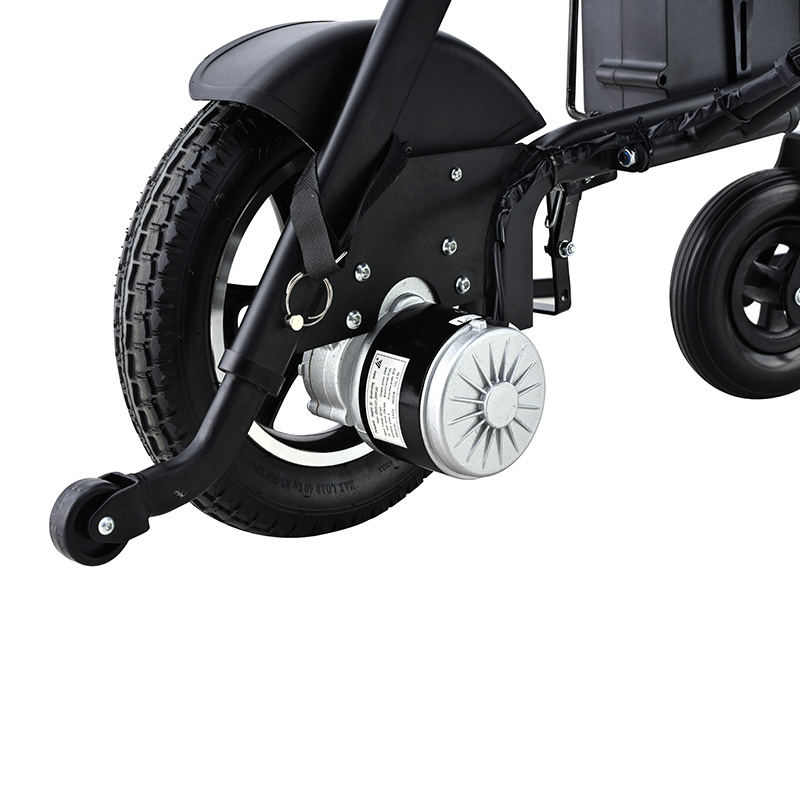 YL-60217 Manual Folding Intelligent Operation Comfortable WheelchairKey Benefits : 1. Durable Frame Construction Built with high-strength steel for long-term reliability and safety. 2. Ergonomic Seating Designed for all-day comfort, re...View Product →
Designed with manual folding and intelligent operation, this model supports a relaxed, upright sitting position during longer exercise sessions, then folds quickly for transport.
portable travel smart wheelchair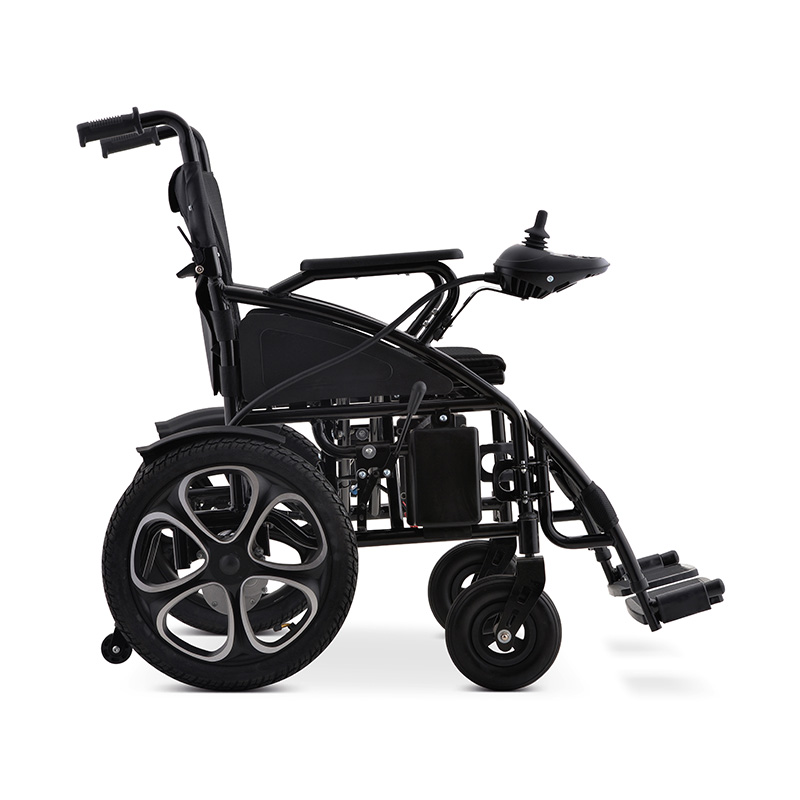 YL-6011 Portable Travel Smart WheelchairKey Benefits : 1. Durable frame for long-term reliability. 2. Ergonomic seating for long-lasting comfort. 3. High-performance drive system. 4. Simple, intuitive joysti...View Product →
This portable travel model helps you keep moving beyond your living room, so you can stay active and social without worrying about transport.
Choosing equipment that fits your lifestyle gives you more opportunities to move. If you are considering a foldable wheelchair for an active routine, you can read about how foldable power wheelchairs are changing travel.
FAQ: Common Questions About Wheelchair Exercises
Q1: Can I exercise if I have limited hand or arm movement?
Yes. An arm ergometer, resistance bands with loop handles, or passive stretching can work with limited grip. An exercise physiologist can customize the movement patterns for your abilities.
Q2: How long does it take to see results?
Most people notice improved stamina within 2 to 4 weeks. Strength changes become visible around the 6 to 8 week mark. Be patient and consistent.
Q3: What should I do if my shoulders hurt?
Stop the movement, check your form, and lower the resistance. Sharp or long-lasting pain should be assessed by a professional. Do not push through pain.
PREV:No previous article
NEXT:Durable Medical Equipment Tax Deduction: How to Claim Mobility Scooter and Wheelchair
NEXT:Durable Medical Equipment Tax Deduction: How to Claim Mobility Scooter and Wheelchair
Interested in cooperation or have questions?
News

-
The information provided on this website is intended for use only in countries and jurisdictions outside of the People's Republic of China.
-
Office Address
Room 315, building5, No.45 Songbei Road, Suzhou area, China Pilot Free Trade Zone
-
Factory Address
No. 2 Shanyan Road, Huzhen Town, Jinyun Country, Lishui, Zhejiang, China
-
Mobile Phone
+86 137 7606 7076
-
Email
taylor.liu@heinsmed.com
Stay Connected
lf you can't find the answer you're looking for, chat with our friendly team.
Mobile
Copyright © Suzhou Heins Medical Equipment Co., Ltd. All Rights Reserved.
Custom Mobility Scooters for Elderly Suppliers
Custom Mobility Scooters for Elderly Suppliers